Go back

the
studio

Before art becomes an object, it begins as a private choreography of thought, gesture and practice. This is The Studio.

Here, encountering the work means stepping inside its making: the artists’ living space, their tools, early sparks and daily rituals, shaped by a shared history. The space also works as a theatre, activated unexpectedly. Visitors may witness what plays out, join in for the activities, and experience the creative process from within

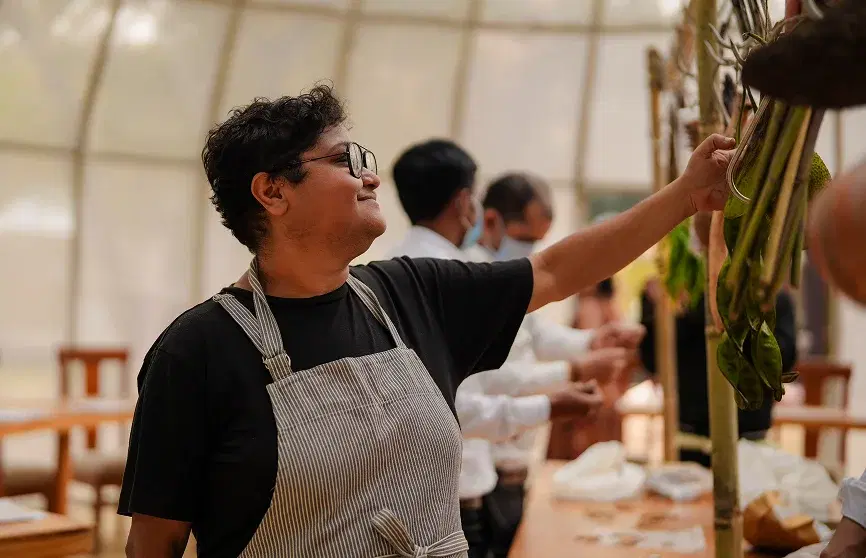
Chef Anumitra Ghosh Dastidar working with ingredients at The Studio

The Studio 2027 is curated by
Chef Anumitra Ghosh Dastidar

Chef, researcher and founder of Edible Archives, a project restaurant rooted in indigenous ingredients and culinary heritage. Her career spans Japanese, Thai and Italian kitchens, supported by a PhD in Cognitive Linguistics. Anumitra travels across India sourcing rare rice, forgotten produce and native flavours. Her work was featured at the Kochi Muziris Biennale 2018–19 and reflects a commitment to food that is contextual, thoughtful and alive with memory.

The Himalayan Context:
A Terrain of Constant Change

The Himalayas have never been static. For millennia, mountain communities have adapted to a landscape of extremes: altitude, temperature, seasonality and scarcity. They learned to read the land, to know when to plant and when to harvest, to preserve what could be stored and celebrate what was fresh. Here, food holds memory, identity and a relationship with the land.

Today, those rhythms are shifting. Temperatures in the Western Himalayas are rising by 0.28 to 0.80°C per decade. In Ladakh, erratic snow and rainfall have cost apricot farmers up to 40 to 50% of their harvest. Still, indigenous knowledge remains a refuge.

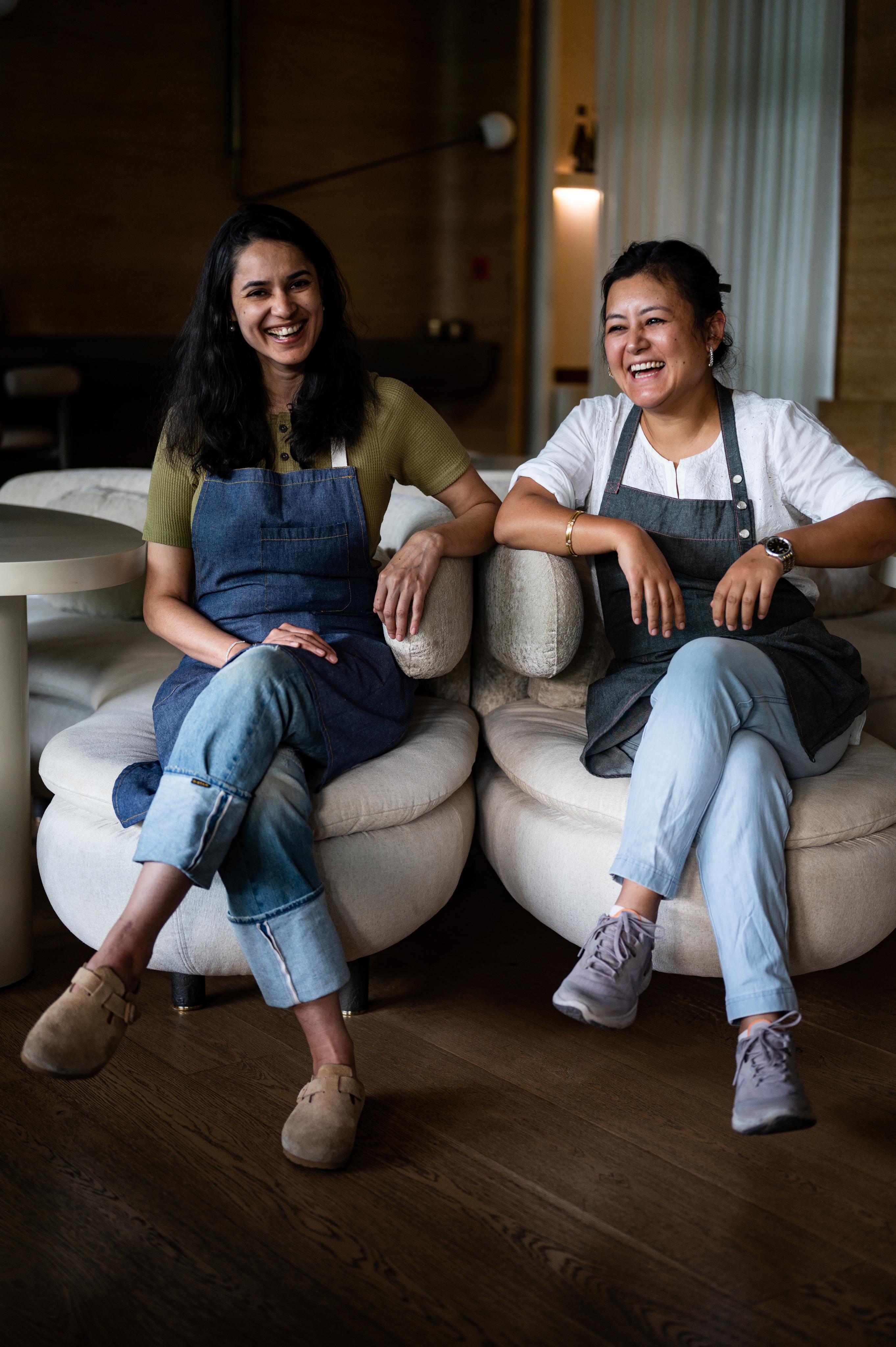
The Studio brings together two practitioners, one from Ladakh, one from Kalimpong, each keeping their traditions alive while responding to the pressures of their time.

Kunzes Angmo

2027 Chef in Residence:Kunzes AngmoFounder, Artisanal Alchemy, Ladakh

Kunzes, founder of Artisanal Alchemy, grew up largely outside Ladakh and returned to its traditions almost as an outsider. Her practice is rooted in Stendel, the sustained interdependence of all things in an ecosystem. With just 60 tables a year, she resists a homogenised idea of Indian food, keeping wild herbs like tumburuk and skotse on Ladakhi plates, where they belong.
Alyen Foning

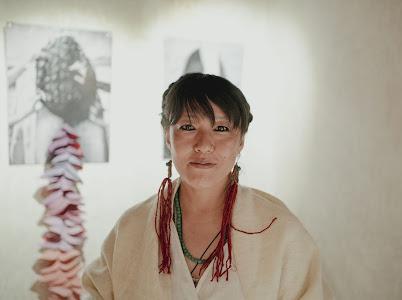
2027 Artist-in-Residence:Alyen FoningTextile artist and Installation maker, Kalimpong

Alyen Foning is a textile artist and storyteller from the Indigenous Lepcha community of the Eastern Himalayas. Her practice begins with listening: to rivers, forests, ancestors and dreams. Through installations, spirit dolls and natural dyes, she treats plants as participants, not just resources. Made slowly and intentionally, her work honours making as ceremony, a way of restoring our relationship with the living Earth.